Exploration
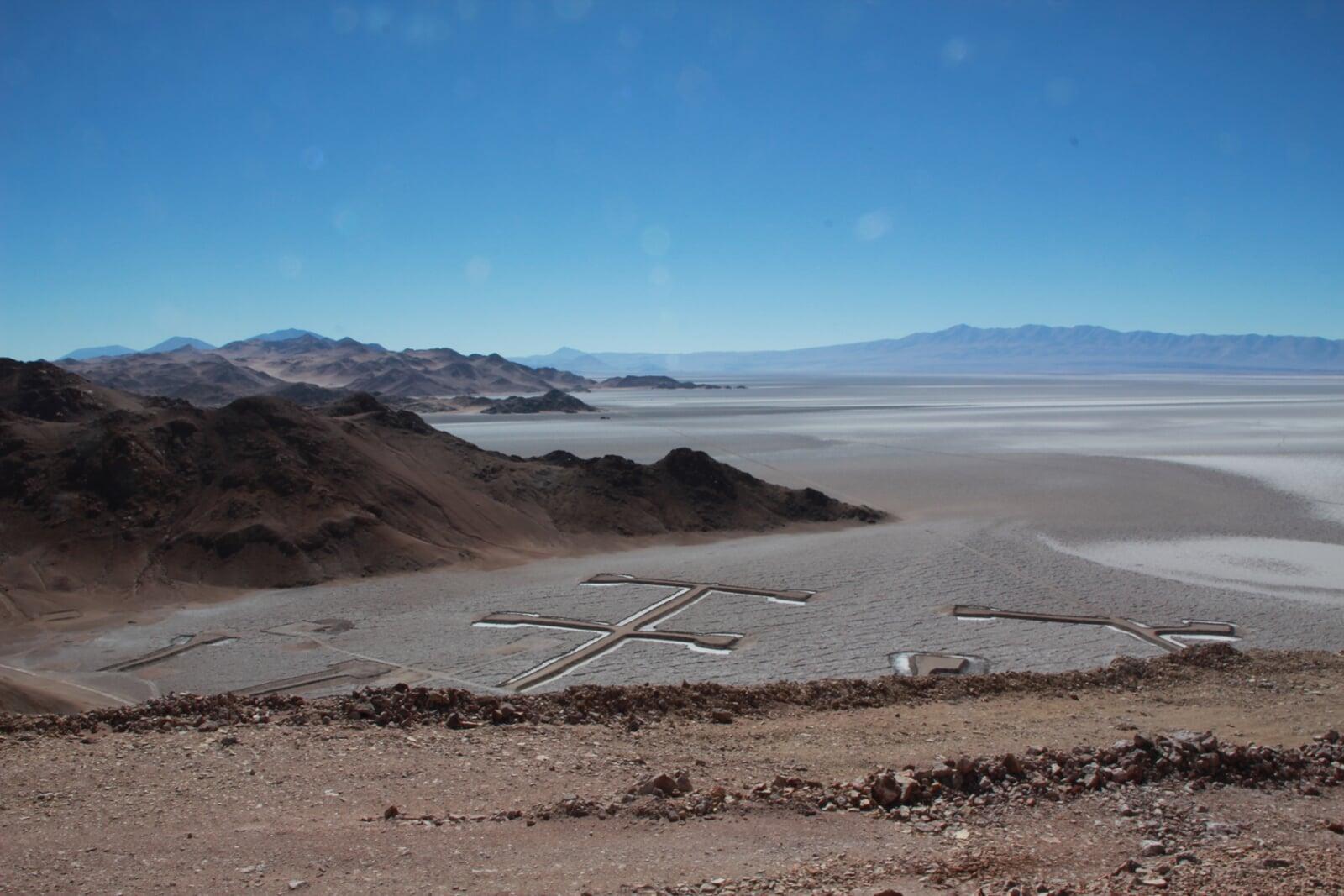
Exploration tactics and survey design
From steep mountains and scree slopes, to flat desert with one outcrop in a 100 miles - exploring isn't a recipe. Likewise for deposit styles; bonanza grade veins need a different approach to porphyry stockworks. On everything from survey design to analysis methods, we can help you get the best bang for your buck.
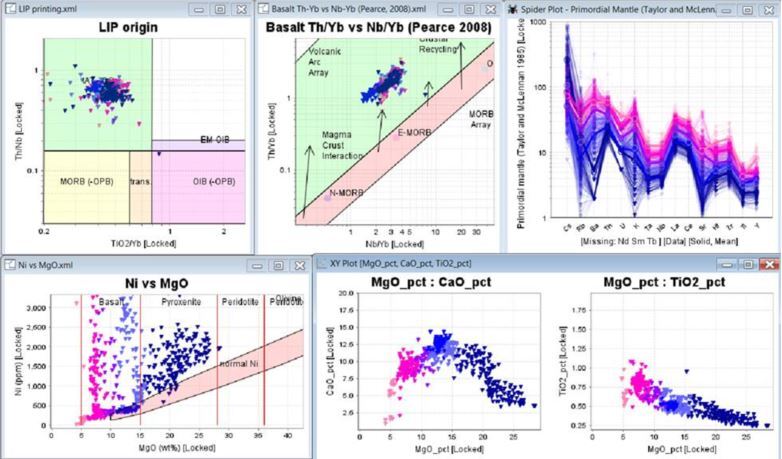
Geochemistry & Chemical Data Interpretation
We're now armed with more geochemical tools than most geologists know what to do with. Choosing the right analysis for the task at hand, and then knowing how to interpret those results could be the difference between success and failure, discovery and regret. Most often it underpins good targeting and/or timely exit decision that saves you money.
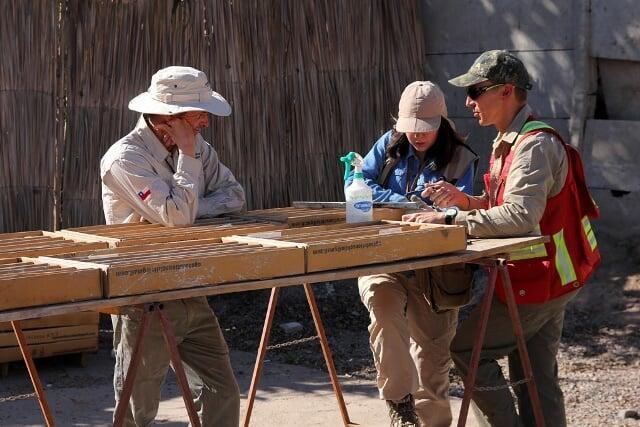
Field Geology, Logging & Modelling
Mapping and project evaluations. There's no replacing getting out there - and then integrating those observations with all your other datasets. We can execute projects on your behalf, or help your team optimise their own efforts - whether that be sedimentary or volcanic stratigraphy, or structural geology, or hydrothermal paragenesis and ore controls. Everything from field or drill data collection, to stratigraphic sections, to structural and stratigraphic integration in 3D.
Geochronology
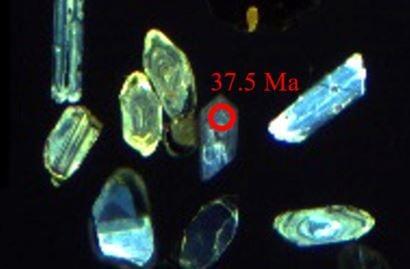
Geochron data looks simple on the surface, but dig a little and it can become a minefield. If you have geochron data you'd just like to understand better, or want to generate new detrital or crystallisation age data, we can help. We're also expert in the interpretation of zircon compositional data, and can provide petrochemical interpretations for porphyry-related intrusive environments. In Phanerozoic sedimentary rocks, we can also provide first-pass biostratigraphic age constraints from petrology.
Orebody Knowledge
Petrology
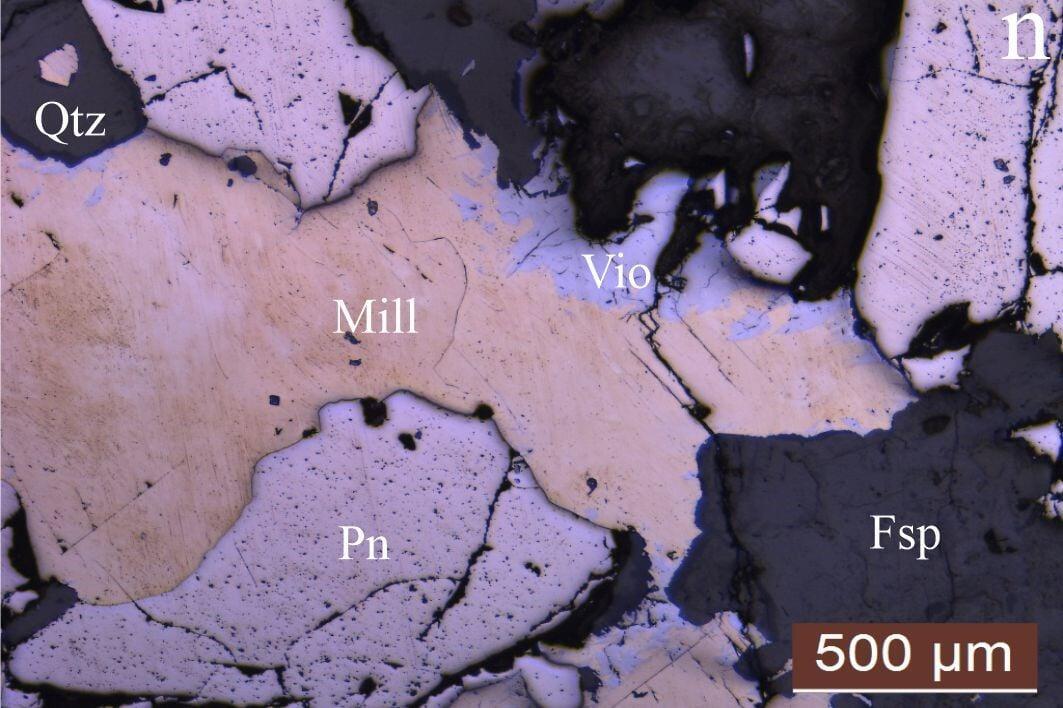
We do descriptive petrology in reflected and transmitted light, so you can understand exactly what your rocks are made of, and how the minerals relate to one another. In sediments, petrology can help with paleoenvironmental interpretation, biostratigraphy, and evaluation of porosity and permeability for fluid flow. In magmatic rocks, identify primary crystallisation sequences, discriminate magmatic from hydrothermal sulfide, and recognise incipient hydrothermal alteration. In altered rocks, understand the paragenesis and mineralogy in detail.
Geometallurgy
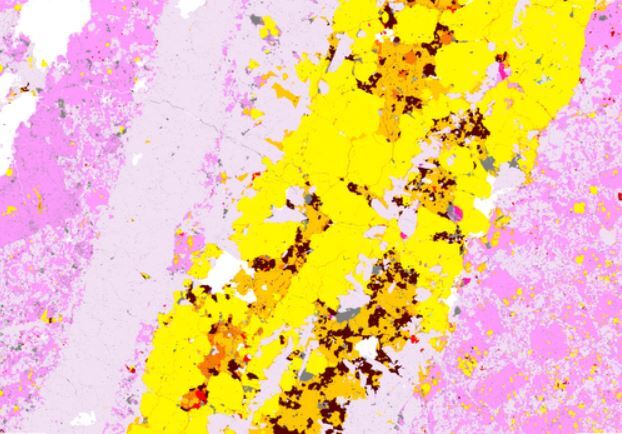
Metallurgy is best done with expert mineralogical help. We can assist metallurgical teams to interpret industrial mineralogy data (QEMSCAN, TIMA, AMICS), or interrogate and optimise custom classification schemes. Based on assays and quantitative mineralogy training data, we can also calculate estimated mineral abundances for gangue and ore minerals. Based on conventional mineralogy and assay data, we can identify mineralogical domains that may have distinct processing behaviour.
Training
Pretty much anything we can do; we can teach.
Here are some favourites
Exploration tactics & survey design
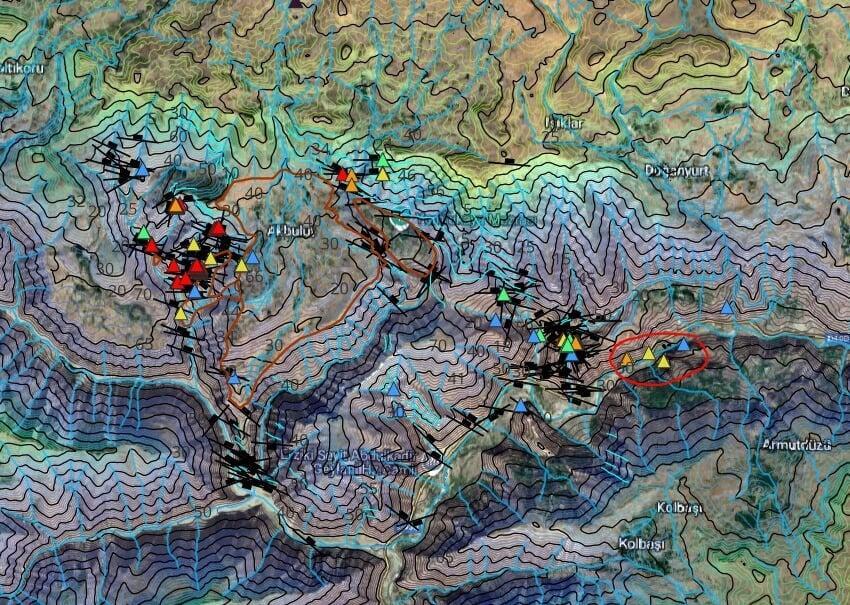
When an orebody is obvious, any method will work. When it's playing hide-and-seek, how you seek matters. I'm sick of seeing time, effort & money wasted on unnecessary over-sampling, or on programs that could never leads possibly lead to a confident decision. Let us coach your early-career geos through the philosophy and logic of robust exploration program design.
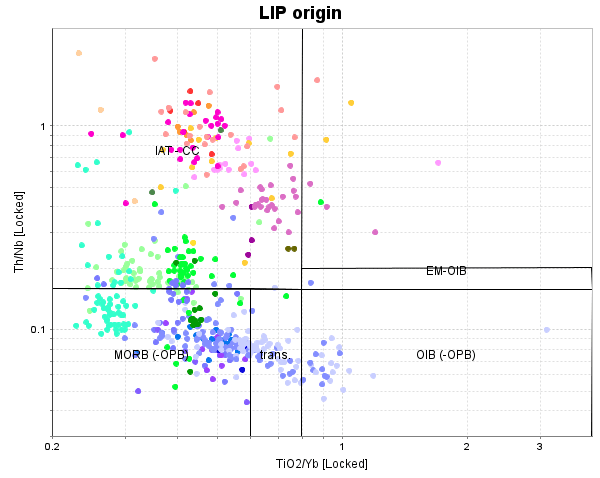
Geochemical methods & interpretation
What do your geos normally do with geochemical data? do they use it to improve their downhole logging? constrain the boundaries on geological maps? Recognise dominate ore and gangue minerals and define metallurgical units? Maybe they should.
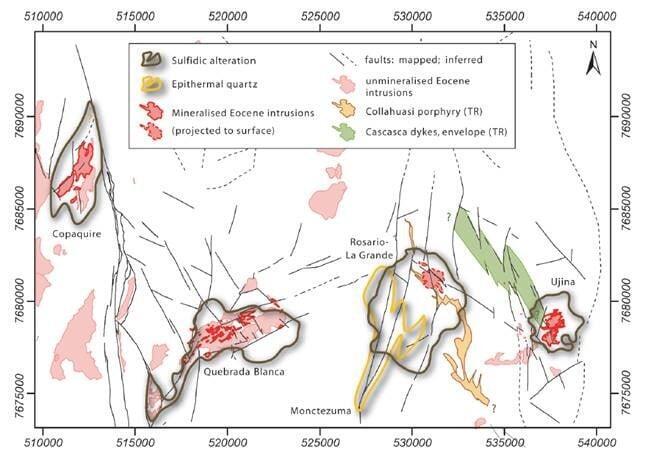
Exploration models & mineral systems
We provide general training relating to ore deposit models, so your staff know what to look for in alteration assemblages, and what to expect in terms of geochemical and geophysical responses
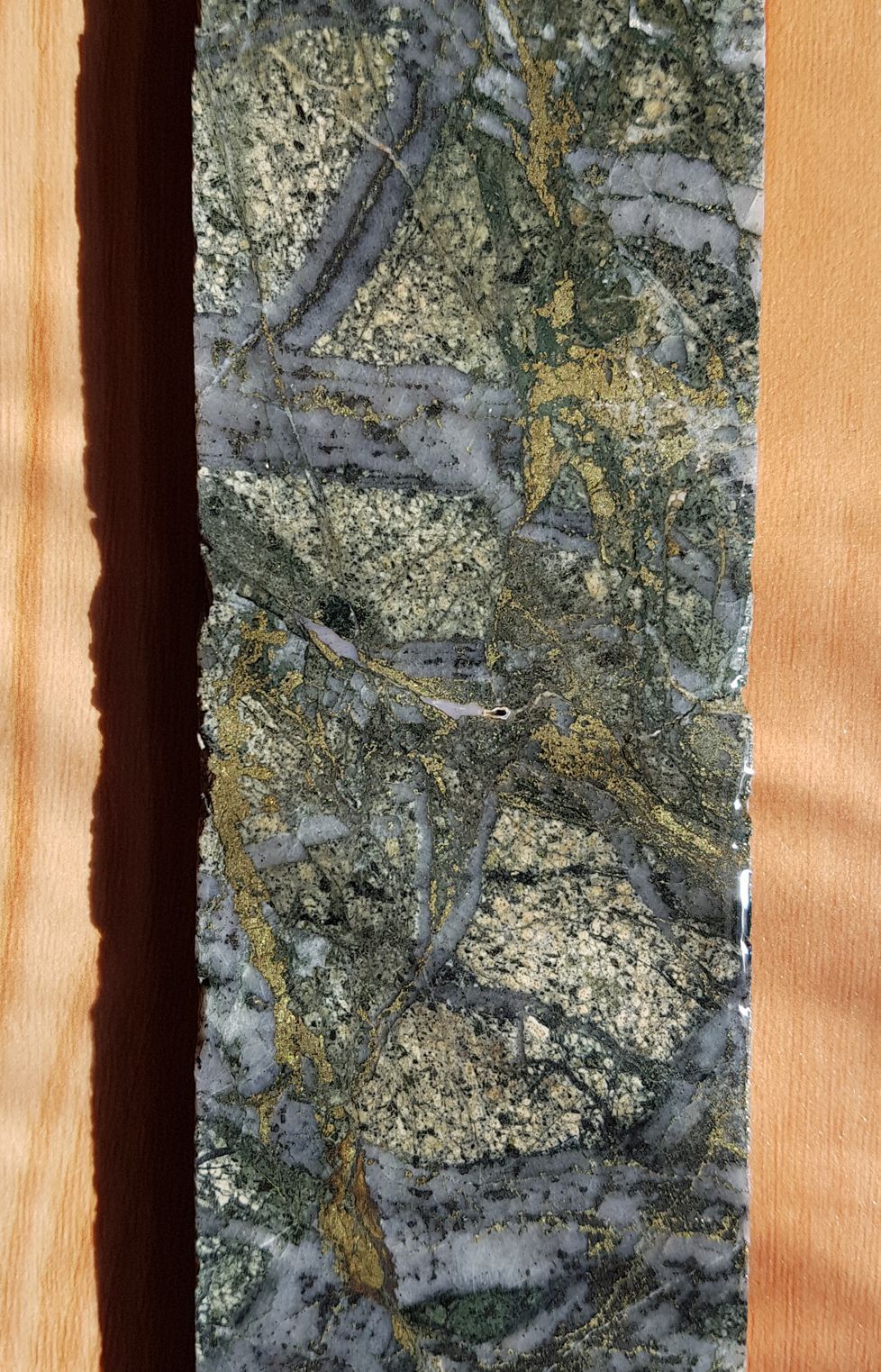
Hydrothermal & intrusive paragenesis
Want your team to understand how intrusions, alteration and veining relate to fluid flow and precipitation of ore minerals? We help make logging & mapping more relevant to targeting ore.
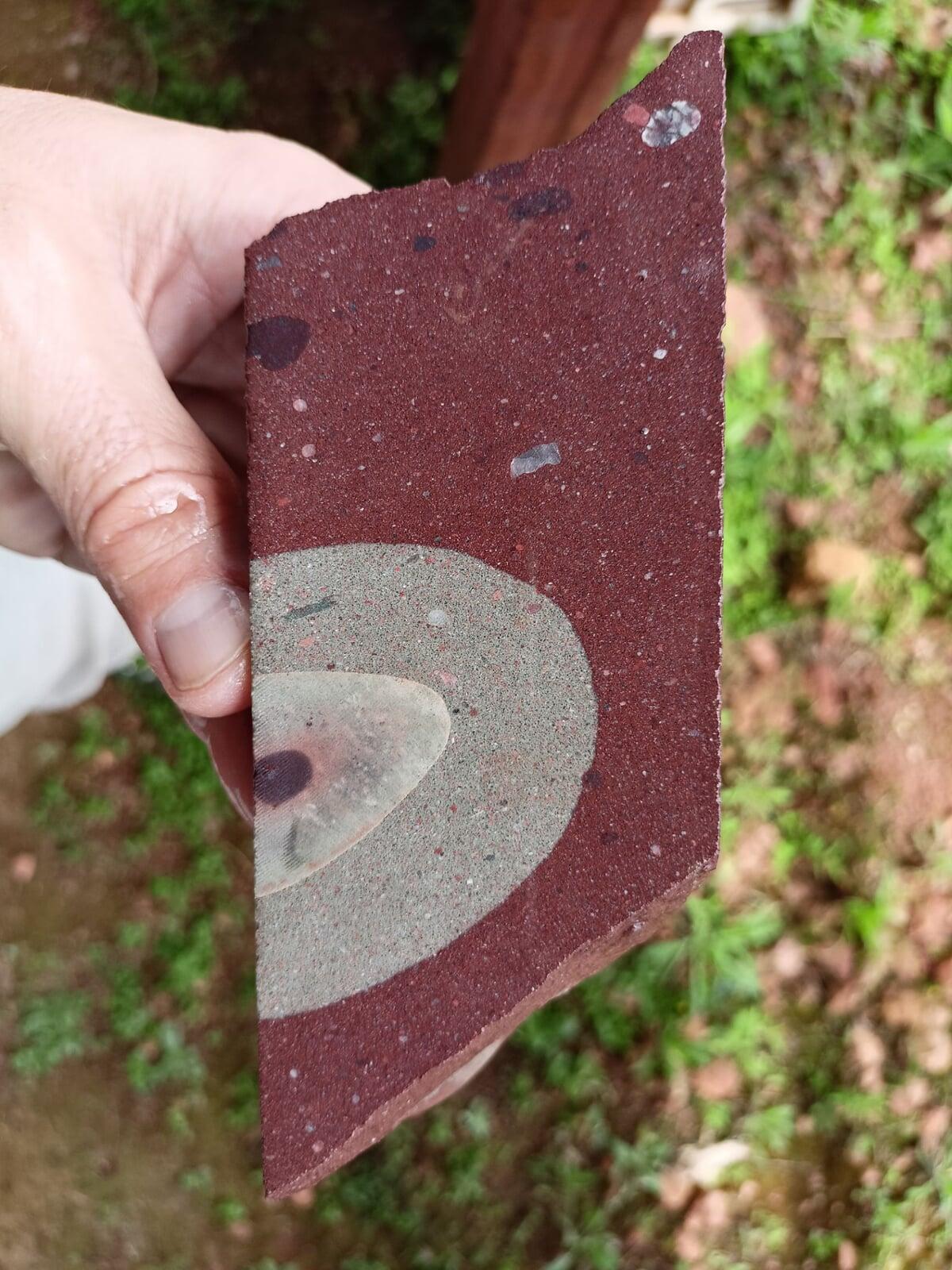
Sedimentary facies logging
Bring petroleum industry skills to your minerals game: discriminate sands from sands; ie those that might host Cu, and those that never had any chance. Which may have been good sources, nd which were adjacent to salt.
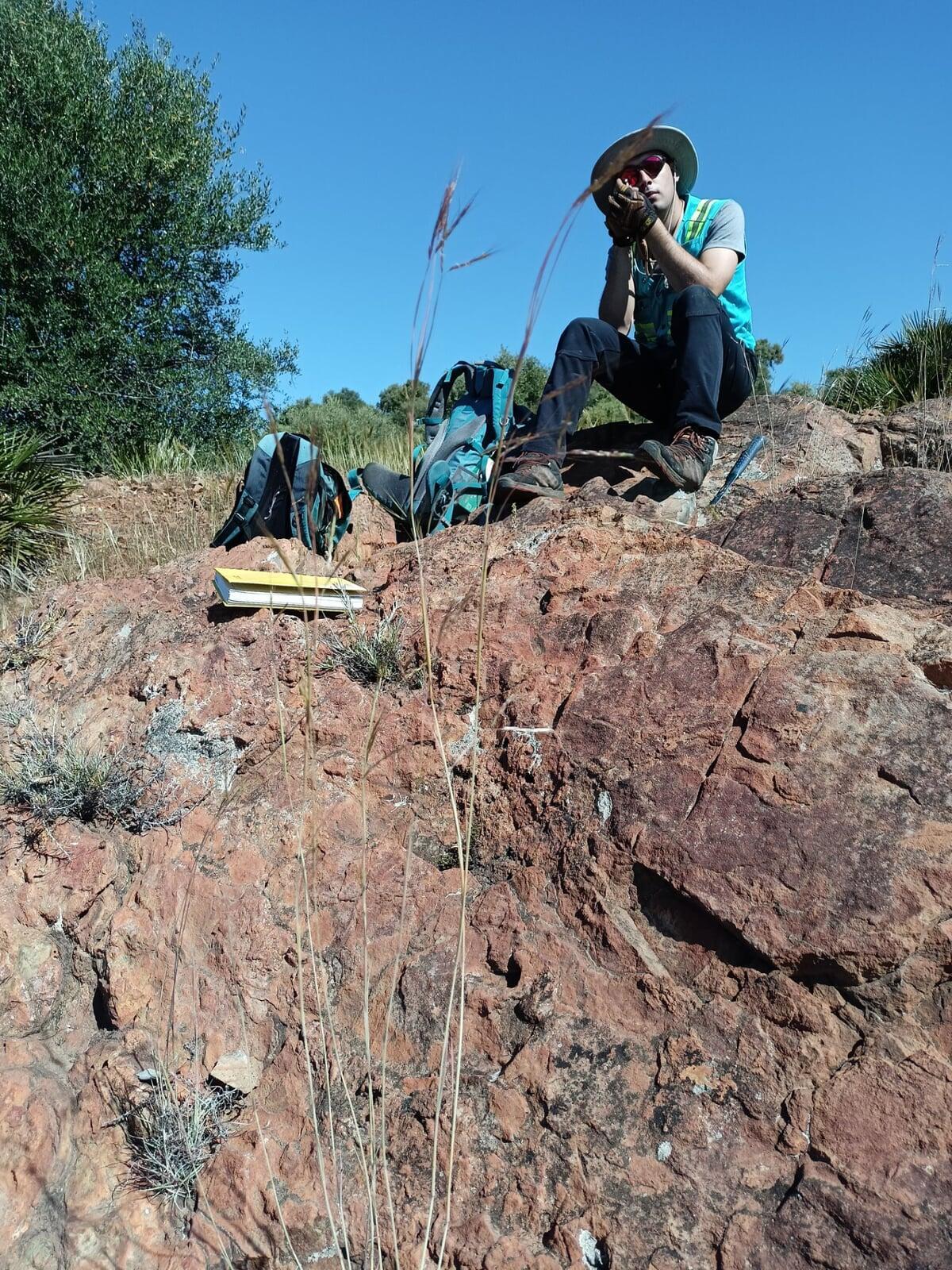
Field mapping
It's the oldest skill in the armory, and these days, most often left to the most junior geologists. Make sure they're doing a fantastic job, and paying attention to everything that counts - lithofacies, structure, primary and secondary minerals, and geomorphology.